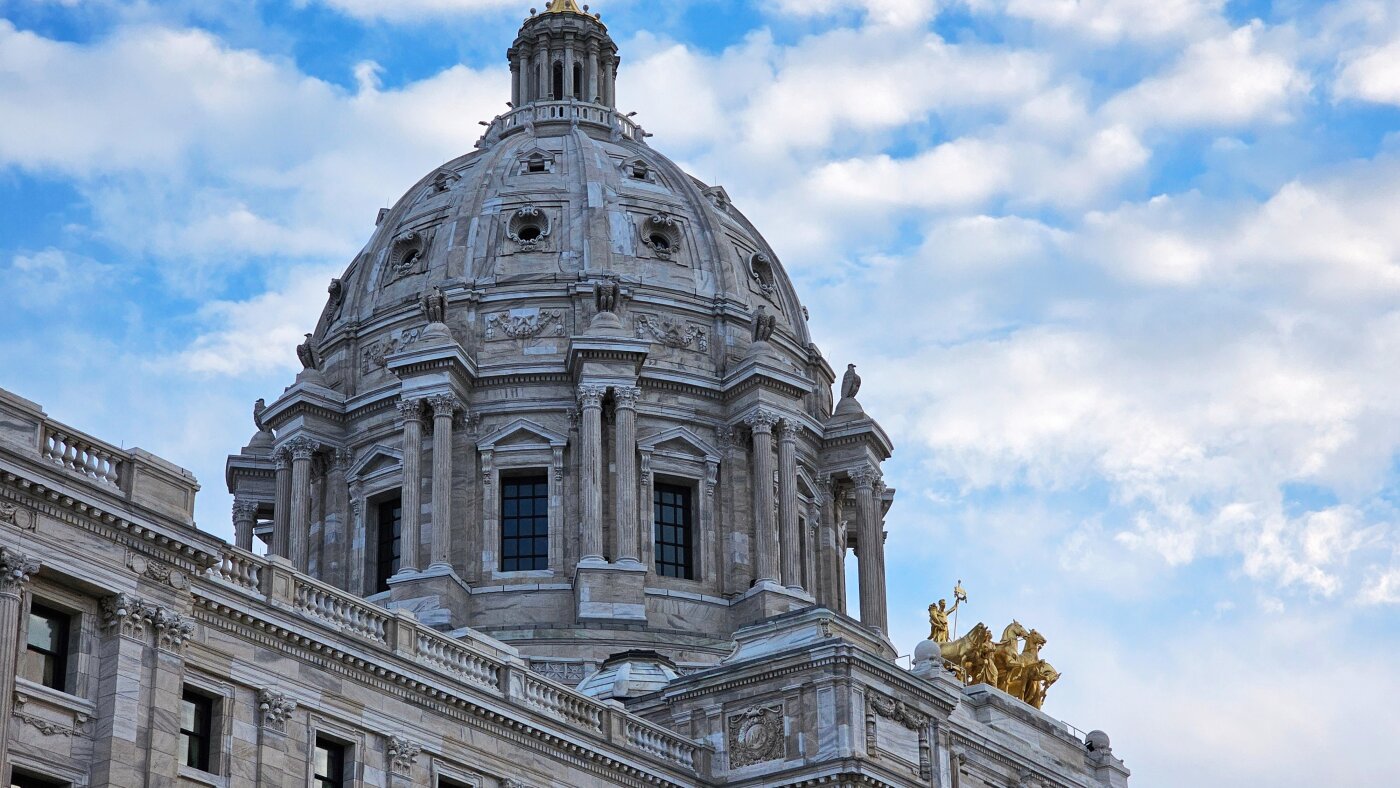
Comprehensive US stock regulatory environment analysis and policy impact assessment to understand business risks from government regulations and policies. We monitor regulatory developments that could create opportunities or threats for different industries and individual companies. We provide regulatory analysis, policy impact assessment, and compliance monitoring for comprehensive coverage. Understand regulatory risks with our comprehensive regulatory analysis and impact assessment tools for risk management. Minnesota has become the first state in the U.S. to pass a law making it a felony for prediction market platforms such as Kalshi and Polymarket to operate within its borders. This move marks a significant escalation in state-level efforts to regulate the controversial industry, even as dozens of other states pursue legal actions.
Live News
- Criminal Penalties: Minnesota’s law elevates the operation of unlicensed prediction markets from a civil violation to a felony, potentially carrying significant prison time and fines for company executives.
- Industry Impact: Platforms like Kalshi and Polymarket, which have already faced legal challenges in multiple states, would likely be forced to block Minnesota users entirely to comply with the new ban.
- Growing Opposition: Dozens of states have taken legal action against prediction markets, but Minnesota is the first to pass a legislative ban at the felony level, signaling a potential shift in enforcement strategy.
- Regulatory Uncertainty: The law raises questions about how prediction market companies will navigate a patchwork of state rules, especially if more states follow Minnesota’s lead.
- Federal Context: The Commodity Futures Trading Commission (CFTC) has previously signaled concerns about certain event contracts, but federal rulemaking has not kept pace with state-level actions.
Minnesota Becomes First State to Criminalize Prediction Markets, Sets National PrecedentAccess to futures, forex, and commodity data broadens perspective. Traders gain insight into potential influences on equities.Cross-asset analysis provides insight into how shifts in one market can influence another. For instance, changes in oil prices may affect energy stocks, while currency fluctuations can impact multinational companies. Recognizing these interdependencies enhances strategic planning.Minnesota Becomes First State to Criminalize Prediction Markets, Sets National PrecedentReal-time tracking of futures markets often serves as an early indicator for equities. Futures prices typically adjust rapidly to news, providing traders with clues about potential moves in the underlying stocks or indices.
Key Highlights
Minnesota has officially enacted legislation that classifies the operation of prediction markets as a felony offense, becoming the first state in the nation to take such a hardline stance against the sector. The law, signed recently, directly targets platforms like Kalshi and Polymarket, which allow users to place bets on the outcomes of events ranging from elections to economic indicators.
The new statute reflects growing bipartisan concern over the potential for these markets to distort public discourse, enable gambling on sensitive topics, and circumvent existing financial regulations. While many states have initiated lawsuits or investigations against prediction market operators, Minnesota’s approach—criminalizing their operation—represents a notable departure from typical civil enforcement measures.
Industry observers note that the law could have a chilling effect on the sector’s expansion in the U.S. and may prompt other states to consider similar legislation. The action comes amid ongoing federal debates about the legality of such platforms under the Commodity Exchange Act and state gambling laws.
Minnesota Becomes First State to Criminalize Prediction Markets, Sets National PrecedentCombining qualitative news analysis with quantitative modeling provides a competitive advantage. Understanding narrative drivers behind price movements enhances the precision of forecasts and informs better timing of strategic trades.Many traders use a combination of indicators to confirm trends. Alignment between multiple signals increases confidence in decisions.Minnesota Becomes First State to Criminalize Prediction Markets, Sets National PrecedentMany traders use a combination of indicators to confirm trends. Alignment between multiple signals increases confidence in decisions.
Expert Insights
Legal analysts suggest that Minnesota’s felony-level ban could trigger a broader regulatory response across the country. The move underscores the intensifying scrutiny on prediction markets, which some critics argue resemble unregulated gambling operations rather than useful financial instruments.
From a market perspective, the law may force platforms to reassess their operational models in the U.S. Companies that rely on event-based contracts could face increased compliance costs and legal liabilities if other states adopt similar criminal penalties. The uncertainty surrounding state-level bans might also dampen investor enthusiasm for startups in the sector.
However, proponents of prediction markets argue that these platforms can provide valuable data on future events—similar to polling or betting exchanges—and that outright criminalization may stifle innovation. The Minnesota law is likely to face legal challenges on constitutional grounds, including questions about interstate commerce and free speech rights under the First Amendment.
For now, the industry is watching closely as Minnesota sets a potential precedent. The law’s enforcement and any subsequent court rulings would likely shape the future of prediction markets in the United States.
Minnesota Becomes First State to Criminalize Prediction Markets, Sets National PrecedentMany traders monitor multiple asset classes simultaneously, including equities, commodities, and currencies. This broader perspective helps them identify correlations that may influence price action across different markets.Some traders use alerts strategically to reduce screen time. By focusing only on critical thresholds, they balance efficiency with responsiveness.Minnesota Becomes First State to Criminalize Prediction Markets, Sets National PrecedentSome traders use alerts strategically to reduce screen time. By focusing only on critical thresholds, they balance efficiency with responsiveness.