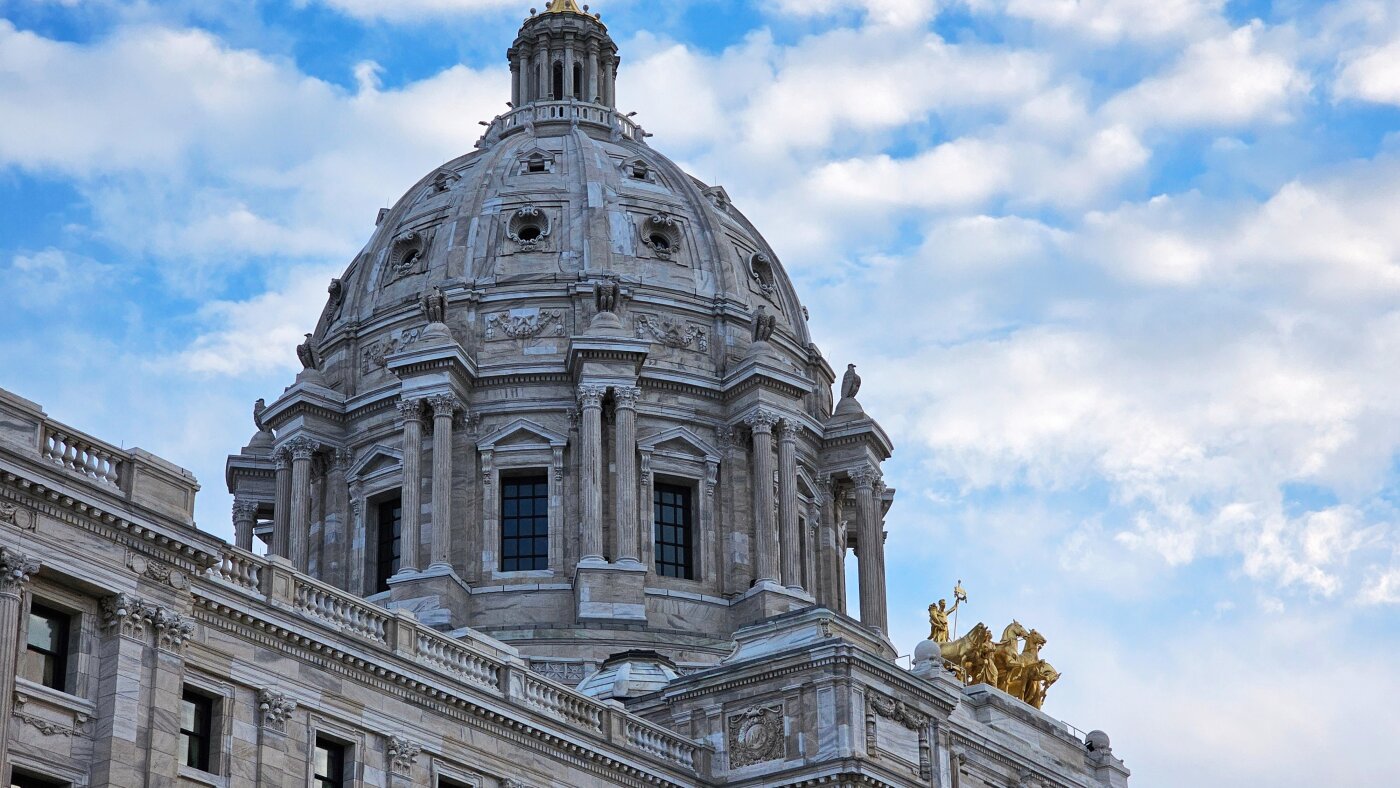
Track insider trading activity in real time. Regulatory filing analysis that surfaces the most telling signals about company health directly from executive actions. Nobody knows a company's prospects better than its leadership. Minnesota has enacted the nation's first state law making it a felony for prediction market platforms such as Kalshi and Polymarket to operate within its borders. The move escalates a broader legal push by dozens of states against the rapidly growing industry, which allows users to trade contracts on event outcomes. The new legislation signals a potentially tougher regulatory environment for these platforms at the state level.
Live News
Minnesota Becomes First State to Criminalize Prediction Markets as Regulatory Crackdown IntensifiesSome investors integrate technical signals with fundamental analysis. The combination helps balance short-term opportunities with long-term portfolio health. - First Felony Classification: Minnesota is the first state to make operating a prediction market a felony, marking a new frontier in state-level enforcement against the industry.
- Broader State Actions: Dozens of other states have taken legal steps—including cease-and-desist orders and lawsuits—but none had previously enacted criminal penalties.
- Industry Leaders Affected: The law directly impacts major platforms Kalshi and Polymarket, which allow trading on political and sports event outcomes.
- Possible Precedent: Other jurisdictions may follow Minnesota’s lead, potentially creating a patchwork of state laws that complicates compliance for prediction market operators.
- Federal Regulatory Context: The CFTC has separately pursued civil enforcement against unregistered event contracts, but state criminal laws add a new layer of risk for platforms and their executives.
Minnesota Becomes First State to Criminalize Prediction Markets as Regulatory Crackdown IntensifiesSome traders prioritize speed during volatile periods. Quick access to data allows them to take advantage of short-lived opportunities.Sentiment analysis has emerged as a complementary tool for traders, offering insight into how market participants collectively react to news and events. This information can be particularly valuable when combined with price and volume data for a more nuanced perspective.Minnesota Becomes First State to Criminalize Prediction Markets as Regulatory Crackdown IntensifiesSentiment shifts can precede observable price changes. Tracking investor optimism, market chatter, and sentiment indices allows professionals to anticipate moves and position portfolios advantageously ahead of the broader market.
Key Highlights
Minnesota Becomes First State to Criminalize Prediction Markets as Regulatory Crackdown IntensifiesInvestors often balance quantitative and qualitative inputs to form a complete view. While numbers reveal measurable trends, understanding the narrative behind the market helps anticipate behavior driven by sentiment or expectations. Minnesota has become the first U.S. state to pass a law specifically classifying the operation of unlicensed prediction markets as a felony, according to a report from NPR. The law targets companies like Kalshi and Polymarket, which offer contracts on political elections, sports, and other events, and could carry criminal penalties for firms that do not comply.
While many states have previously taken legal action—such as cease-and-desist letters or civil suits—against prediction market operators, Minnesota’s statute represents a significant escalation by introducing felony-level charges. The legislation was passed as part of a broader regulatory push, though specific details on enforcement mechanisms or penalties were not immediately detailed in the source.
The prediction market industry has faced increasing scrutiny in the United States. The Commodity Futures Trading Commission (CFTC) has argued that some event contracts resemble gambling and has sought to block certain offerings, while state regulators have expressed concerns about consumer protection and the potential for market manipulation. Minnesota’s new law could provide a template for other states considering similar criminal measures.
Neither Kalshi nor Polymarket has publicly commented on the Minnesota law at the time of the report. The platforms generally operate by registering as designated contract markets with federal regulators, but state-level prohibitions may complicate their ability to serve customers nationwide.
Minnesota Becomes First State to Criminalize Prediction Markets as Regulatory Crackdown IntensifiesPredictive tools often serve as guidance rather than instruction. Investors interpret recommendations in the context of their own strategy and risk appetite.Trading strategies should be dynamic, adapting to evolving market conditions. What works in one market environment may fail in another, so continuous monitoring and adjustment are necessary for sustained success.Minnesota Becomes First State to Criminalize Prediction Markets as Regulatory Crackdown IntensifiesSome investors rely on sentiment alongside traditional indicators. Early detection of behavioral trends can signal emerging opportunities.
Expert Insights
Minnesota Becomes First State to Criminalize Prediction Markets as Regulatory Crackdown IntensifiesSome investors focus on macroeconomic indicators alongside market data. Factors such as interest rates, inflation, and commodity prices often play a role in shaping broader trends. Legal and regulatory observers note that Minnesota’s felony statute could significantly alter the risk calculus for prediction market platforms. While the CFTC has historically been the primary federal regulator overseeing these markets, state criminal laws introduce the possibility of prosecution that federal civil actions might not carry. Industry analysts suggest that the law may lead some platforms to restrict access for Minnesota residents or to challenge the statute in court on constitutional grounds, such as preemption by federal commodities law.
The move also raises questions about the broader classification of prediction markets. Some experts argue that event contracts serve a legitimate financial purpose by aggregating information, while others contend they function as unlicensed gambling. The lack of a federal framework has left a regulatory vacuum that states are now filling in different ways. As other states watch Minnesota’s experiment, the industry may face a period of increased legal uncertainty.
From an investment perspective, companies operating in the prediction market space may need to reassess their legal risks and geographic availability. The potential for criminal liability could deter venture capital funding and push platforms toward jurisdictions with clearer or more favorable rules. However, the outcome of any legal challenges or federal regulatory clarity could shift the landscape quickly. Investors and market participants should monitor both state-level legislative trends and CFTC rulemaking for further developments.
Disclaimer: This analysis is for informational purposes only and does not constitute investment advice.
Minnesota Becomes First State to Criminalize Prediction Markets as Regulatory Crackdown IntensifiesDiversifying data sources can help reduce bias in analysis. Relying on a single perspective may lead to incomplete or misleading conclusions.Access to multiple perspectives can help refine investment strategies. Traders who consult different data sources often avoid relying on a single signal, reducing the risk of following false trends.Minnesota Becomes First State to Criminalize Prediction Markets as Regulatory Crackdown IntensifiesInvestors often test different approaches before settling on a strategy. Continuous learning is part of the process.